
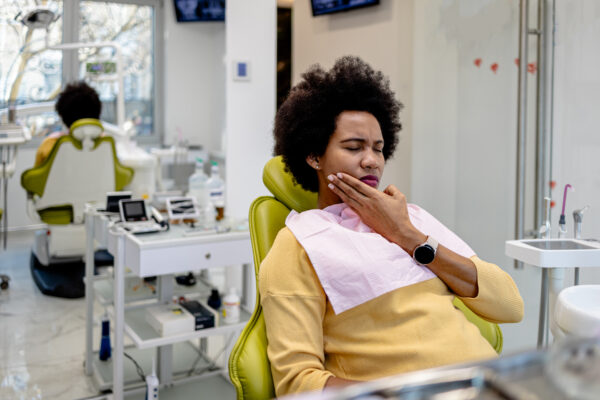
Tooth wear is a progressive condition characterized by the loss of tooth structure. It’s a multifaceted issue influenced by a range of factors. Understanding the underlying causes of tooth wear is crucial for prevention and effective management. In this blog post, we’ll delve into the primary causes of tooth wear, exploring the mechanisms behind each and offering insights into how they can be managed.
Types of Tooth Wear
Before diving into the causes, it’s essential to understand the different types of tooth wear:
- Attrition: Wear caused by tooth-to-tooth contact, typically resulting from grinding or clenching.
- Abrasion: Wear resulting from external mechanical forces, such as brushing too hard or using a hard-bristled toothbrush.
- Erosion: Chemical wear due to acidic substances dissolving the tooth enamel.
- Abfraction: Loss of tooth structure at the gum line caused by stress and flexure during biting.
Primary Causes of Tooth Wear
1. Bruxism (Teeth Grinding)
Bruxism is the habitual grinding or clenching of teeth, often occurring during sleep. This condition leads to attrition, where the enamel and dentin are gradually worn down due to repetitive tooth-to-tooth contact. Bruxism can be caused by:
- Stress and Anxiety: Psychological factors often trigger bruxism, making stress management crucial.
- Sleep Disorders: Conditions like sleep apnea are associated with increased risk of bruxism.
- Misaligned Teeth: Malocclusion or misalignment can lead to uneven tooth contact and increased wear.
Management:
- Mouthguards: Custom-fitted mouthguards can protect teeth from the effects of grinding.
- Stress Reduction: Techniques such as meditation, exercise, and therapy can help manage stress-induced bruxism.
- Dental Correction: Orthodontic treatment to correct alignment issues.
2. Improper Brushing Techniques
Abrasion from improper brushing is a common cause of tooth wear. Factors contributing to this include:
- Using a Hard-Bristled Toothbrush: Hard bristles can be overly abrasive to enamel.
- Brushing Too Aggressively: Applying too much force while brushing can wear down the tooth surface.
- Incorrect Brushing Method: Horizontal scrubbing can be more abrasive than gentle, circular motions.
Management:
- Soft-Bristled Toothbrush: Switch to a soft-bristled brush to minimize abrasion.
- Proper Brushing Technique: Use gentle, circular motions with moderate pressure.
- Toothpaste Choice: Avoid abrasive toothpaste; consider those formulated for sensitive teeth.
3. Dietary Habits
Erosion results from the chemical dissolution of tooth enamel by acids. Common dietary causes include:
- Acidic Foods and Drinks: Citrus fruits, soda, wine, and sports drinks are high in acids.
- Frequent Snacking: Constant snacking, especially on sugary or acidic foods, increases acid exposure.
Management:
- Dietary Modifications: Limit intake of acidic foods and drinks.
- Rinse with Water: Rinse your mouth with water after consuming acidic substances.
- Chewing Gum: Sugar-free gum can stimulate saliva production, helping to neutralize acids.
4. Gastroesophageal Reflux Disease (GERD)
GERD is a condition where stomach acid flows back into the esophagus and mouth, leading to dental erosion. The chronic exposure to stomach acids can significantly wear down the enamel.
Management:
- Medical Treatment: Medications and lifestyle changes to control GERD symptoms.
- Regular Dental Check-ups: Early detection and management of erosion.
5. Environmental Factors and Habits
- Occupational Hazards: Exposure to dust and grit in certain occupations (e.g., mining, sandblasting) can lead to abrasion.
- Habits: Nail-biting, using teeth to open bottles or packages, and chewing on hard objects can contribute to tooth wear.
Management:
- Protective Equipment: Use appropriate protective gear in hazardous environments.
- Avoid Harmful Habits: Be mindful of activities that can damage teeth.
6. Age and Genetics
Natural aging can contribute to tooth wear as enamel thins over time. Additionally, genetic factors can influence enamel strength and susceptibility to wear.
Management:
- Regular Dental Visits: Monitoring and managing wear through preventive and restorative treatments.
- Fluoride Treatments: Strengthen enamel and reduce wear.
Conclusion
Tooth wear is a multifactorial condition influenced by mechanical, chemical, and biological factors. Effective management requires a comprehensive approach, including proper oral hygiene, dietary adjustments, stress management, and regular dental care. By understanding the causes and implementing preventive measures, you can maintain healthy teeth and mitigate the effects of tooth wear.
Understanding and addressing the causes of tooth wear can significantly enhance your oral health and overall well-being. Implementing these strategies and seeking professional advice when necessary will help preserve your teeth for years to come.

Explore Our Dental Treatments




Get in contact now
Our practice video
Opening Hours
Monday - Friday: 8:30am - 5:00pm
Saturday: By appointment only

